Is your old car costing more to maintain than it is worth? Frequent breakdowns, expensive repairs, and declining performance can turn a once-reliable vehicle into a financial burden. Knowing when to scrap your old vehicle can help you avoid unnecessary expenses and make a more informed decision. While some older cars can remain reliable with proper maintenance, others may eventually become unsafe or uneconomical to repair.
Here are seven warning signs to look for before deciding whether to repair, sell, or arrange scrap car removal.
1. Your Repair Costs Keep Increasing
Frequent repair bills can be a strong indication that your vehicle is becoming expensive to maintain.
Watch for these signs:
- Repeated engine or transmission repairs.
- Frequent replacement of worn-out components.
- Increasing labour and maintenance expenses.
- Repair costs approaching or exceeding the car’s market value.
What should you do?
Ask a qualified mechanic to assess the vehicle’s current condition and identify any likely upcoming repairs. Compare the estimated costs with the car’s market value before investing more money.
If repairs are no longer financially practical, checking your scrap car value may help you decide what to do next.
2. Your Car Breaks Down Frequently
A car that regularly breaks down can make everyday journeys stressful and unreliable.
Common warning signs include:
- Difficulty starting the engine.
- Repeated overheating problems.
- Persistent electrical faults.
- Frequent roadside breakdowns.
- Multiple workshop visits within a short period.
Why does it matter?
Repeated failures may indicate that several components are wearing out. Although individual faults can sometimes be repaired affordably, ongoing problems can increase the total cost of ownership.
If your vehicle is no longer dependable, consider a professional inspection and compare the repair costs with available scrap vehicle removal options.
3. Your Engine or Transmission Has Major Problems
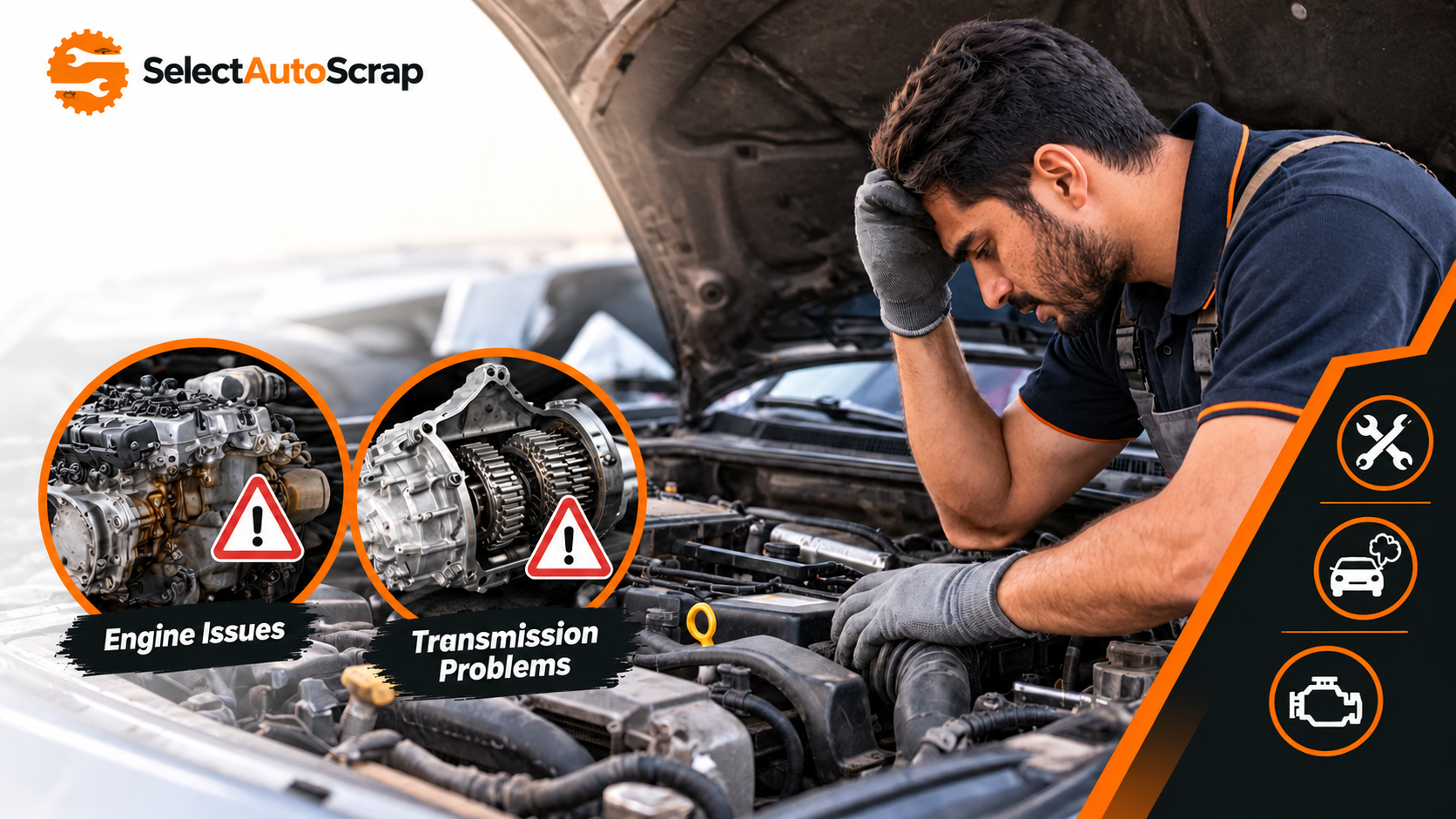
Engine and transmission repairs can be expensive, particularly when an older vehicle has other mechanical issues.
Look out for these symptoms:
- Persistent knocking or unusual engine noises.
- Excessive exhaust smoke.
- Repeated engine overheating.
- Slipping gears or difficulty shifting.
- Significant oil leaks or persistent warning lights.
What should you consider?
- Get a professional diagnosis before assuming the worst.
- Request an itemised repair estimate.
- Compare repair costs with the vehicle’s current value.
- Consider whether other major repairs are likely soon.
If the vehicle is uneconomical to repair, a reputable scrap car buyer may be able to assess its remaining value.
4. Rust or Structural Damage Is Affecting Safety
Rust and accident damage can become serious concerns when they affect essential structural components.
Warning signs include:
- Extensive corrosion around the chassis or frame.
- Rust near suspension mounting points.
- Visible structural damage following an accident.
- Problems identified during a professional safety inspection.
Why is this important?
Structural damage can compromise vehicle safety, even when the engine still runs normally. Surface rust does not automatically mean a car needs scrapping, so the extent of the damage matters.
Have the vehicle inspected by a qualified professional. If it is unsafe or uneconomical to repair, scrapping the old car may be a practical option. Arrange recovery if the vehicle is unsafe to drive.
5. Your Vehicle No Longer Meets Safety Requirements
Older vehicles can develop problems that affect their roadworthiness and the safety of their occupants.
Check for issues involving:
- Brakes and steering.
- Tyres and suspension.
- Headlights, indicators, and other essential lights.
- Emissions or other applicable inspection requirements.
What should you do?
- Find out why the vehicle failed its inspection.
- Ask which repairs are essential for safe operation.
- Compare the repair estimate with the vehicle’s value.
- Check the applicable local roadworthiness and registration rules.
Some faults are relatively inexpensive to fix, while others require extensive work. If repairs are not financially worthwhile, consider scrap vehicle disposal through a Govt. Authorized RVSF Center. Never drive a vehicle with a serious safety defect.
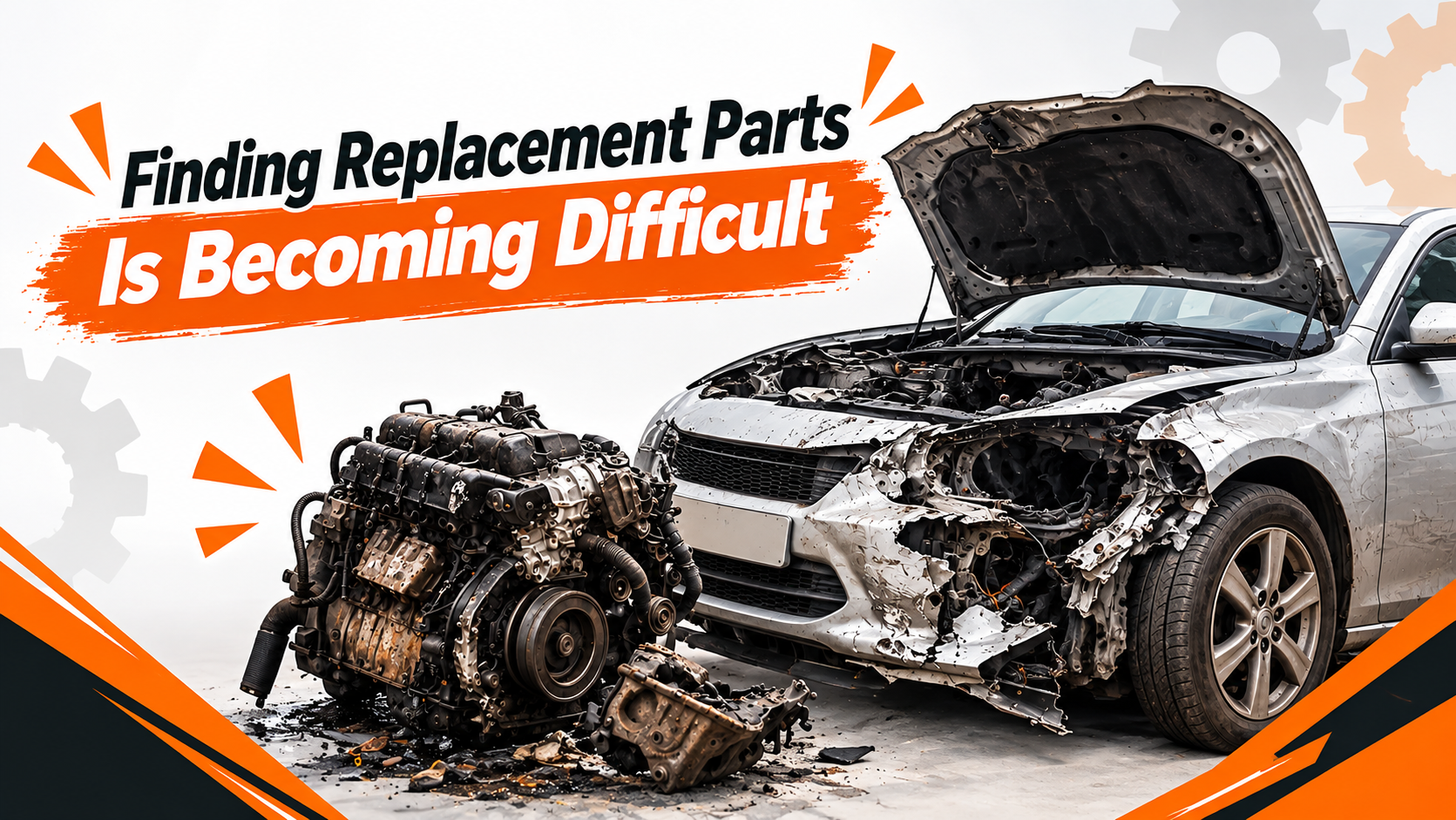
6. Finding Replacement Parts Is Becoming Difficult
Parts availability can become a challenge for discontinued models, older imports, and vehicles with uncommon components.
You may experience:
- Long waiting times for essential parts.
- High prices for imported components.
- Difficulty finding compatible replacements.
- Repeated delays that keep the vehicle off the road.
Are used parts a solution?
Sometimes. Suitable used car parts may provide a more affordable alternative to new components, depending on compatibility, condition, and safety requirements.
Before deciding to scrap your vehicle:
- Ask a mechanic about compatible replacement parts.
- Compare the cost of new and suitable used components.
- Consider the time and expense required to complete repairs.
If essential parts remain unavailable or the total repair cost is too high, selling the vehicle to a reputable recycler may be worth exploring.
7. Your Car Has Reached the End of Its Useful Life
Sometimes, several small problems gradually make a vehicle unreliable rather than one major fault bringing it to a stop.
Signs your car may be nearing the end of its useful life include:
- Increasing maintenance requirements.
- Declining fuel efficiency.
- Repeated warning lights and minor faults.
- Persistent performance problems.
- Several ageing components requiring attention.
How can you make the right decision?
Compare the following before committing to another repair:
- Repair costs: How much will it cost to fix current and known upcoming problems?
- Market value: What could you reasonably receive if you sold the vehicle?
- Reliability: Is the car likely to remain dependable after repairs?
- Replacement costs: Would another suitable vehicle be a better long-term option?
Age alone does not mean a car should be scrapped. However, when poor condition, rising expenses, and reduced reliability occur together, checking your old car scrap value can help you evaluate your options.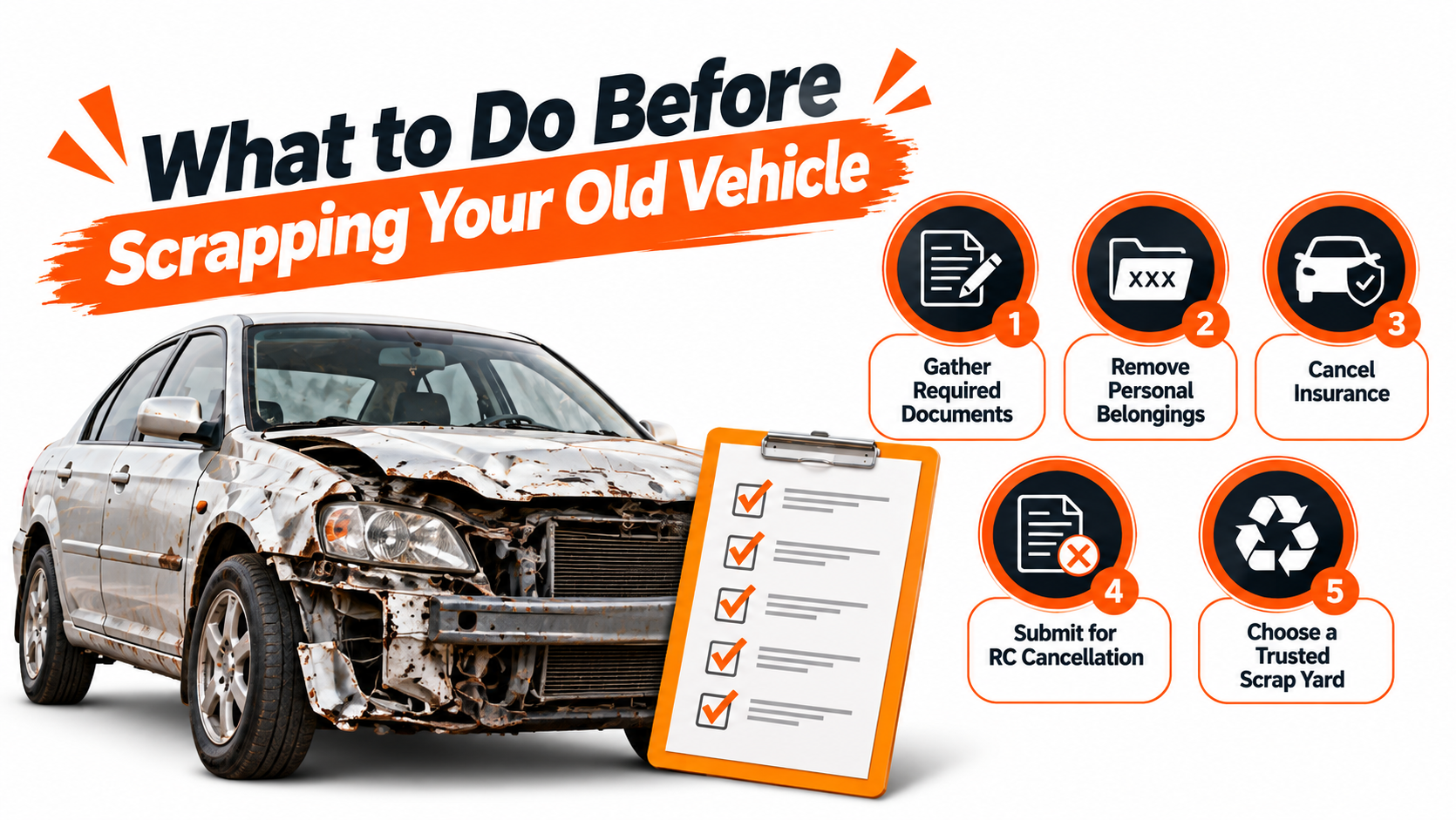
What to Do Before Scrapping Your Old Vehicle
Once you decide that scrapping may be the right option, a few practical steps can help make the process easier.
1. Check Your Scrap Car Value
- Compare quotes from suitable vehicle recyclers.
- Ask how vehicle condition, weight, and reusable components affect the offer.
- Confirm whether towing or collection involves additional charges.
2. Choose a Reputable Recycler
- Check the business’s credentials and reputation.
- Ask about its vehicle collection and recycling process.
- Confirm payment terms and the documents provided.
3. Prepare Your Documents
- Keep ownership and registration documents ready.
- Check local requirements for ownership transfer or deregistration.
- Confirm what paperwork you should receive after disposal.
4. Remove Personal Belongings and Data
- Check the glove compartment, boot, and storage areas.
- Remove personal documents and other valuables.
- Delete saved contacts, navigation history, and connected-device information where possible.
5. Arrange Safe Vehicle Collection
- Request recovery if the vehicle is unsafe to drive.
- Confirm the collection arrangements in advance.
- Get clarity on the final price and any additional fees.
Taking these steps can help you arrange scrap car removal with greater confidence.
Is Scrapping Your Car Better Than Selling It?
Deciding whether to sell, repair, or scrap your old vehicle depends on its condition, repair costs, and remaining value. If your car has become unreliable or expensive to maintain, scrapping it through an authorised facility may be a more practical choice.
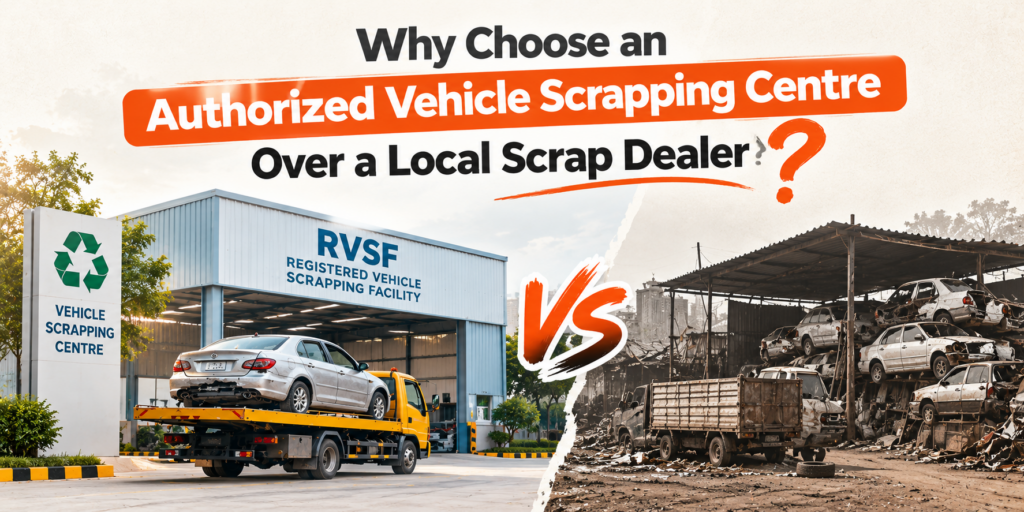
At Select Auto Scrap, we help vehicle owners take the next step towards responsible end-of-life vehicle disposal through a government-registered RVSF (Registered Vehicle Scrapping Facility).
- Repair Your Car: If the damage is minor and repairs are affordable, keeping your vehicle may still make sense.
- Scrap Your Car: If your vehicle has reached the end of its useful life, explore scrapping it through our government-registered RVSF for appropriate processing and recycling.
Even a vehicle that is no longer suitable for the road may contain valuable recyclable materials and reusable components. Choosing a registered scrapping facility helps ensure that the vehicle is handled through the appropriate disposal process.
Frequently Asked Questions
1. When should I scrap my old vehicle?
Consider scrapping your vehicle when repeated breakdowns, major mechanical problems, or extensive damage make repairs uneconomical or the vehicle unsafe to use.
2. How is scrap car value calculated?
Scrap car value can depend on vehicle weight, metal prices, condition, reusable components, and local demand. Collection costs and buyer policies may also affect the final offer.
3. Can I scrap a car that no longer runs?
Yes. Non-running vehicles may still have value because of recoverable metals and suitable reusable components. Collection arrangements and documentation requirements depend on your location.
4. Are used car parts worth buying?
Used car parts can reduce repair expenses when they are compatible and in suitable condition. Safety-critical components require particular care, and some parts may not be suitable for reuse.
5. What happens to a car after it is scrapped?
Depending on the facility and local regulations, a vehicle may be depolluted, dismantled for suitable reusable components, and processed to recover recyclable materials.
Ready to Say Goodbye to Your Old Car?
If your old vehicle is costing more to maintain than it’s worth, it may be time to consider responsible scrapping. Choosing the right facility helps ensure your end-of-life vehicle is handled through the appropriate disposal and recycling process.
At Select Auto Scrap, you can take the next step towards scrapping your vehicle through a government-registered RVSF (Registered Vehicle Scrapping Facility).
Ready to scrap your old vehicle? Contact us today to learn more about the vehicle scrapping process and the documentation required.